
Why old oak wins every time, and how to prepare your barrel properly
If you have ever tasted a fortified that feels silkier, deeper, and more layered with every year, you have already met the quiet power of old oak. In table wine, new oak can be a feature. It adds spice, toast, vanilla and structure. In fortified wine, those same new oak characters can hijack the blend fast, because fortified spends so long in barrel. When your base material may live in that barrel for decades, the goal is not loud oak. The goal is integration, gentle oxygen exchange, and slow concentration, with oak sitting in the background doing its job without shouting.
That is why the older the oak, the better, especially for Muscat and Topaque styles.
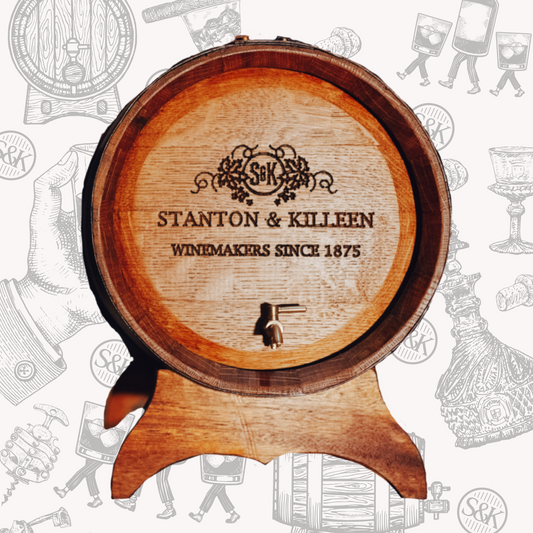
At Stanton & Killeen, our barrels in the winery are typically 50 to 100 years old and they have been nurturing fortified wine for generations. For home barrel customers, we recommend starting with older, previously used oak, then seasoning it properly before you commit your precious fortified to it.
We sell and recommend two main starting points
-
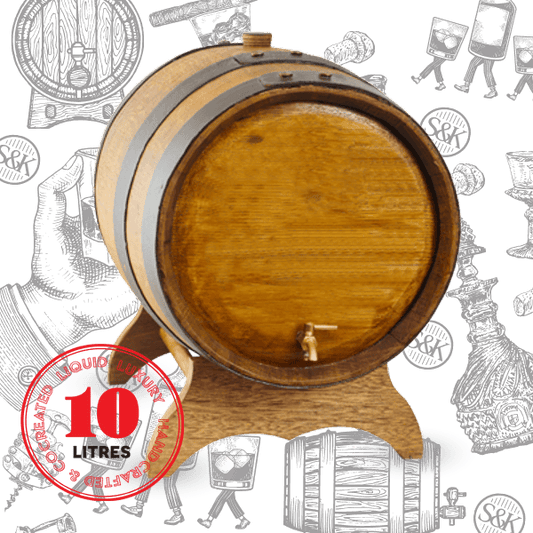
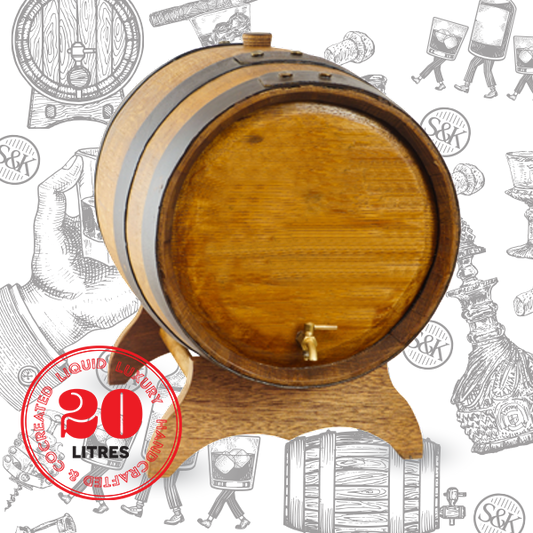
Our Standard 10L and 20L barrels made from ex red wine oak that is at least 10 years old, then seasoned for 6 to 12 months minimum
-
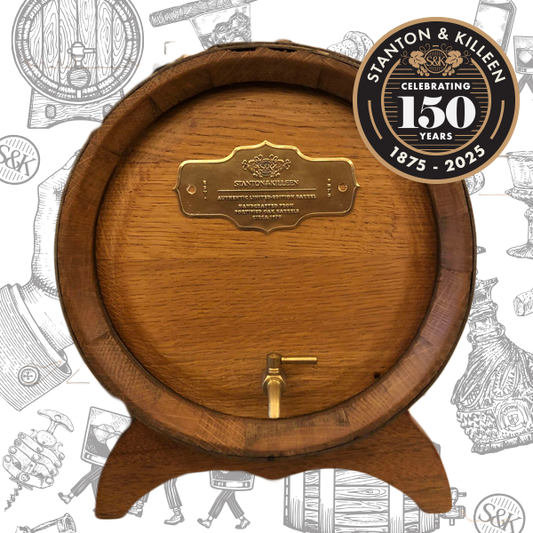
Our Heritage barrels made from 50-year-old ex-fortified oak, then seasoned for 3 to 4 years
The difference is time, patience, and how quickly the barrel will settle into that smooth fortified friendly zone.
Why old oak is best for fortified wine
Fortified spends far longer in barrel than table wine
A table wine might see oak for months, sometimes a couple of years. A fortified barrel, if it is well cared for, can hold your base blend for decades. That long contact time changes everything. Any strong oak compounds that feel pleasant in a young red can become overwhelming, drying, or bitter over years of extraction.
New oak extracts quickly and loudly
New oak can release intense flavours and structure very quickly, even if your barrel is small. In fortified, those characters can dominate the blend before your wine has a chance to build the real magic: rancio like complexity, dried fruit depth, nutty savoury notes, and that long, warming finish.
Common new oak characters that are usually unwanted in Muscat and Topaque include
Vanilla that sits on top rather than blending in
Coconut and sweet oak notes
Raw timber and resinous flavours
Bitter, drying grip that feels out of place in a lush style
Smoky char that crowds out florals and fruit lift
Old oak has already given up its loud flavours
Used oak, especially oak that has held wine for years, has already leached most of its overt flavour compounds. What it still offers is what fortified actually needs
Gentle micro-oxygen exchange that helps develop complexity
A stable environment for slow evolution
A more controlled evaporation and concentration effect
A softer, more mature contribution to texture
Choosing the right barrel for your goal
Standard ex red wine barrels, minimum 10 years old
These are an excellent entry point for home barrel owners. They are mature oak, they have already carried wine, and they are ideal if you want a sensible timeline from purchase to fill.
Best for
First time barrel owners
Tawny, Muscat, Topaque, and white fortified once seasoned properly
Anyone wanting to get started sooner
Seasoning expectation
Minimum 6 to 12 months of seasoning, all completed at the winery prior to you purchasing the barrel. So ready to go on purchase.
Shop Standard 10 Year Barrels
Heritage barrels, 50-year-old oak
Older staves, deeper history, and a calmer oak profile. These are as close as you can get to that traditional cellar feel at home.
Best for
Muscat, Topaque and Tawny lovers who want minimal oak signature
Customers who want the smoothest start possible
Anyone who wants a barrel that feels deeply settled
Seasoning expectation
Seasoned for 3 to 4 years at S&K before sale, then ongoing care at home
Explore 50 Year Old Barrels
Why even used barrels still need seasoning
Even if a barrel is 10 or 50 years old, coopering work can expose fresh timber. During refurbishment, staves may be shaved and the interior surface refreshed. That is important for barrel health, but it can bring some oak character back to the surface.
So, the principle remains
Season the barrel until the oak character is where you want it, before you commit your long-term fortified blend.
What if you have bought a brand-new oak barrel?
Brand new oak barrels have their place. They are brilliant for whiskey and other spirits, where bold oak flavour is part of the point. Even then, they still need priming and seasoning before use.
For fortified wine, though, new oak is usually the opposite of what you want.
Fortified wines spend a long time in barrel. If you look after your barrel and keep it topped up, your base blend can sit in that same oak for decades. In a brand-new barrel, the wine will pull out intense oak character quickly and it can dominate the blend long before the beautiful, aged notes have a chance to build.
So, if you have purchased a new barrel, do not panic. It just means your first job is to calm that oak right down before you commit your Muscat, Topaque, or other fortified.
How to get a new barrel into shape
A new barrel needs a longer seasoning runway than a used barrel. Think months to years, depending on how strong the oak is and how sensitive you are to oak flavour.
The simplest way to approach it is in stages
-
Start with water seasoning to hydrate the barrel and begin drawing oak out
-
Move to wine seasoning, ideally with a style that can handle more oak influence, like Tawny
-
Only switch to Muscat or Topaque once the oak has softened and sits in the background rather than the spotlight
If you are patient at the start, you will be rewarded later. A well-seasoned barrel makes fortified better every year. A rushed barrel can leave you fighting oak for a long time.
How to season a barrel for fortified wine
Here are the most practical, proven options, ordered from simplest to most effective.
Option 1: Water seasoning
Water is a good first step because it
Hydrates the staves so the barrel swells and seals
Helps remove some of the more soluble oak compounds
Let's you taste and track progress without sacrificing wine
How to do it
-
Fill the barrel completely with clean water.
-
Change the water at least once a week.
-
Taste the water each time you change it. This is your best guide. If it's oaky it needs more seasoning time.
-
Keep the barrel in a cool, stable place out of direct sun.
IMPORTANT! Why you must change it weekly
Without alcohol, water can grow mould and other spoilage organisms. Regular changes reduce risk and keep the process clean.
Typical timeline
Around 4 to 6 weeks is often enough to pull out a big chunk of the oak flavour, but it depends on the barrel. Younger, oakier barrels take longer.
How you will know it is working
Week one water often tastes woody and tannic
Later changes become cleaner and more neutral
When the water tastes neutral with no obvious oak flavour, you are ready for the next stage
Option 2: Wine seasoning
Once the water is tasting neutral, wine is the next level. Alcohol pulls more oak than water, so this stage reveals what the barrel will really do to your fortified.
Important note
Even if the water tastes clean, the first wines through the barrel can still pick up more oak than you want. That is normal.
Which wine to use first
If you are seasoning for Muscat or Topaque, consider starting with Tawny. Tawny has tannin and structure, so it can carry a bit more oak influence. In some Tawny styles, vanilla and tobacco notes can actually sit nicely in balance.
Suggested approach
-
Tip out the water and let the barrel drain fully.
-
Fill with your chosen wine.
-
Keep it topped up as the barrel breathes and settles.
-
Taste regularly, monthly is a good rhythm.
If the oak still feels high
Keep going with Tawny for longer, or cycle another batch through. The barrel will soften with time.
A practical timeline
Many people run Tawny for around a year before switching to Muscat or Topaque, especially if they are sensitive to oak.
Switching from Tawny to Muscat or Topaque
When you are ready to change, give the barrel a hot water wash to freshen it up, then move to your sweeter style.
Option 3: The S&K method
At Stanton & Killeen, we season our barrels for 6 to 12 months minimum, even when the oak is already 10 or 50 years old. The coopering process can expose fresh surfaces, so we treat seasoning as essential, not optional.
What we do
We fill the barrel with fortified wine and let it sit
We top up the seasoning wine as required
We allow time for the barrel to settle and mellow
In a perfect world, longer is always better. Because of stock rotation, some barrels end up seasoning for 12 to 18 months. Those barrels are a dream to start with because they are already calm and settled.
One thing to know is that the wine used for seasoning is sacrificial. After 6 to 12 months in a new or freshened oak barrel, it will usually be intensely oaky and concentrated and often not particularly enjoyable to drink. Its job is to pull the excess oak out of the barrel, so your real blend does not have to. be prepared that you may need to toss this wine at the end of the seasoning process (or keep in storage for your next new barrel)
How to decide when your barrel is ready
Your palate is the boss here. The goal is not zero oak. The goal is oak that sits quietly underneath the wine.
Signs your barrel is ready for Muscat or Topaque
Oak flavour is subtle rather than dominant
No raw timber notes
No harsh bitter grip on the finish
The wine still shows its natural florals, fruit, and length
The oak feels like it's supporting the flavours, not a main ingredient
If you are unsure, start with Tawny. Tawny is the most forgiving style for early barrel life.
Ready to choose your barrel
If you want the easiest start, our Standard 10 Year Barrels are the best on ramp. You still season them properly, but it is a shorter runway to great results.
If you want the smoothest, most cellar like start, our 50 Year Old Barrels are the long game choice, deeply seasoned and built for fortified.
Shopify link placeholders
Shop Standard 10 Year Barrels
Explore 50 Year Old Barrels
Book a Barrel Consult