
Both are made from red grapes. Both are fortified with grape spirit. Both are produced in Rutherglen by the same winemaking families using generations of accumulated knowledge. And yet Tawny and Vintage Fortified are fundamentally different wines, made in different ways, aged in different places, and designed to do completely different things in your glass.
Understanding the difference is one of the more useful pieces of fortified wine knowledge you can have, whether you're buying a bottle, filling a home barrel, or trying to work out what's already in your cellar.
Where the confusion comes from
Most of the confusion between these two styles comes from the naming. In Portugal, Tawny Port and Vintage Port are two of the most recognisable styles in the world. In Australia, we can't use the word Port on a label as it's legally reserved for wines from Portugal's Douro Valley under the Australia-European Community Agreement on Trade in Wine. So, our equivalents go by different names.
Australian Tawny is still called Tawny. That name has always described the style rather than the origin, referring to the warm amber colour that develops after years of oxidative barrel ageing, and it crossed the Pacific intact.
Vintage Port became Vintage Fortified in Australia. It is the same wine made in the same tradition — a single vintage, primary fruit driven, designed to age in the bottle for decades. The name changed but the wine didn't.
How Tawny is made
Tawny is a barrel aged fortified. After the wine is fortified with grape spirit, it spends many years, sometimes decades, ageing in small oak barrels. During that time, it's regularly tasted, assessed and blended with material of different ages to build complexity and maintain consistency. The long barrel ageing exposes the wine to gradual, controlled oxidation, which is what creates Tawny's characteristic colour and flavour profile.
As the wine oxidises slowly over the years, it loses its deep red colour and turns amber. The fresh fruit characters of the young wine fade and are replaced by dried fruit, caramel, walnut, spice and leather. By the time Tawny is bottled, it has completed its entire development in wood. The bottle is simply a delivery mechanism. Tawny doesn't improve in the bottle and isn't designed to.
At Stanton & Killeen, our Tawny is made from a blend of red varieties including Shiraz, Durif and Portuguese grapes, aged in old oak to develop those characteristic nutty and savoury characters of leather and spice.
How Vintage Fortified is made
Vintage Fortified takes the opposite path. The wine is fortified during fermentation from a single exceptional vintage year, which preserves the primary fruit characters rather than allowing them to be replaced by oak and oxidation. It then spends a relatively short time, typically two to three years, in barrel before being bottled while it still has its deep colour, concentrated fruit and substantial tannin structure.
From that point, the wine ages in the bottle rather than in wood. This is a Port style that does all of its maturation in a bottle and not in oak like a Tawny. The sealed glass environment means very slow, reductive development rather than the oxidative development that happens in barrel. Over years and decades, the tannins soften, the colour gradually lightens, and the wine develops layers of complexity that simply aren't there when it's young.
A young Vintage Fortified can feel almost impenetrable: dense, dark and tannic. Given twenty or thirty years in a good cellar, it becomes something remarkable: soft, complex, with dried fruit, leather, spice and a depth that takes time to fully appreciate.
The taste difference
In the glass these two wines are immediately distinct.
Tawny is amber to tawny brown in colour, depending on age. The aroma is warm and inviting — roasted nuts, caramel, dried fig, leather and spice. On the palate it's smooth, sweet to medium sweet, with a long, warm finish. It's a wine designed for immediate enjoyment, and there's no need to wait for anything. What you pour is what you get.
Vintage Fortified is deep ruby to garnet in colour when young, gradually softening to brick red and then amber as it ages over decades. A young example has concentrated dark fruit on the nose — blackberry, plum, cassis — with firm tannin and structured acidity. An older, matured Vintage Fortified is a very different experience: softer, more layered, with dried fruit, chocolate, cedar and savoury complexity developing over time.
How they age
This is the most important practical difference between the two styles.
Tawny is a drink now wine. It has completed its ageing in barrel at the winery. Once bottled, it will hold its quality for a long time stored correctly, but it won't get better with more years in your cellar. Pour it, enjoy it, and don't feel any pressure to save it.
Vintage Fortified is a cellar wine. It is specifically designed to develop and improve in the bottle over many years, and patience is genuinely rewarded. A well-made Vintage Fortified from a good year can continue to develop positively for thirty, forty or even fifty years. Opening it too young means missing much of what makes it worth having.
Which one is right for a home barrel?
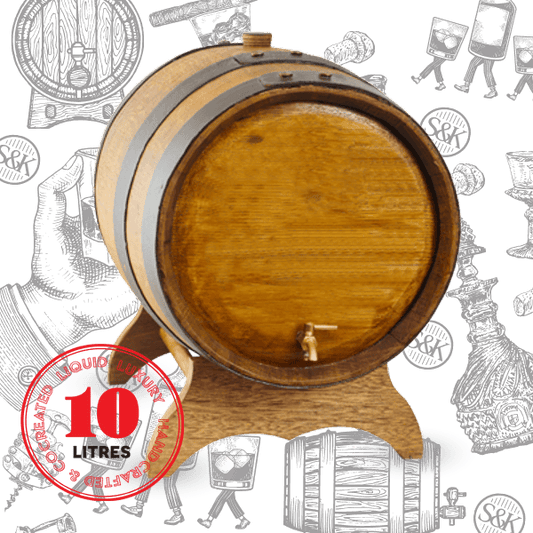
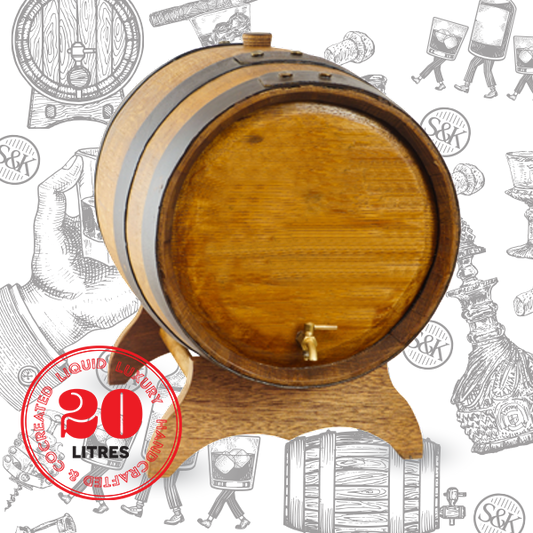
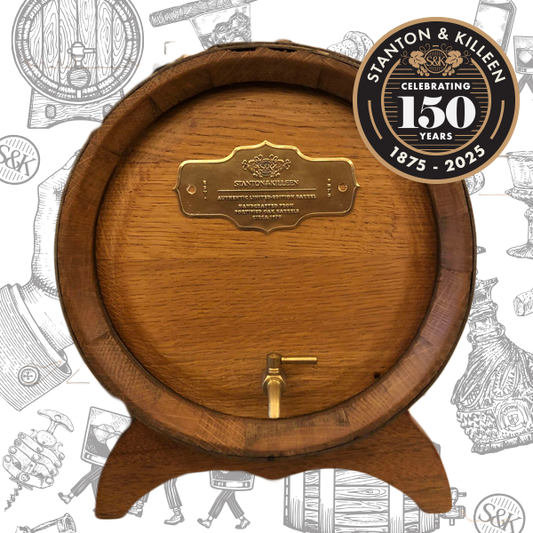
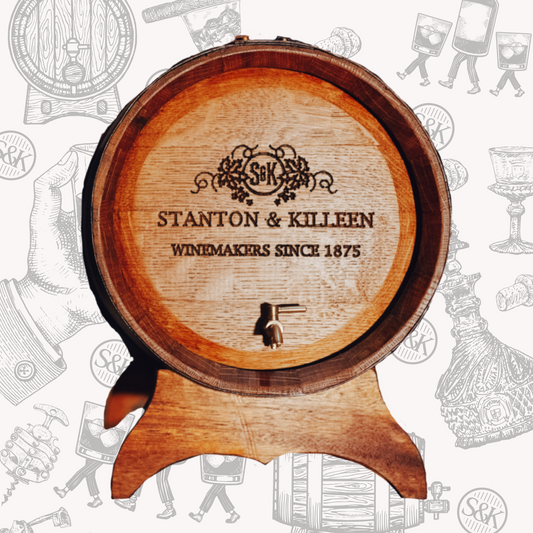
Tawny is one of the most rewarding styles to develop in a home barrel, precisely because its defining character, that slow oxidative development in wood, is exactly what a home barrel provides. The nutty, dried fruit complexity that makes a good Tawny so interesting is built over years in oak, and your barrel is doing that work quietly every day. Tawny in a home barrel is a genuinely long-term project, and a deeply satisfying one.
Vintage Fortified is not a barrel ageing style. Because it does its best work in the bottle, filling a home barrel with Vintage Fortified material would work against the wine rather than with it. If you want Vintage Fortified in your collection, buy bottles and cellar them. If you want something to develop in your barrel, Tawny, Muscat or Topaque are the right choices.
The short version
Tawny is a barrel aged fortified that does all its development in wood before being bottled. It's ready to drink on release, works beautifully in a home barrel, and pairs naturally with nutty desserts, caramel, cheese and anything savoury.
Vintage Fortified is Australia's Vintage Port. It does its development in the bottle rather than the barrel, is made from a single exceptional year, and rewards patience over decades. Buy it, cellar it, and open it with people worth sharing it with.
Related: Why fortified wine doesn't go off and how long it actually lasts