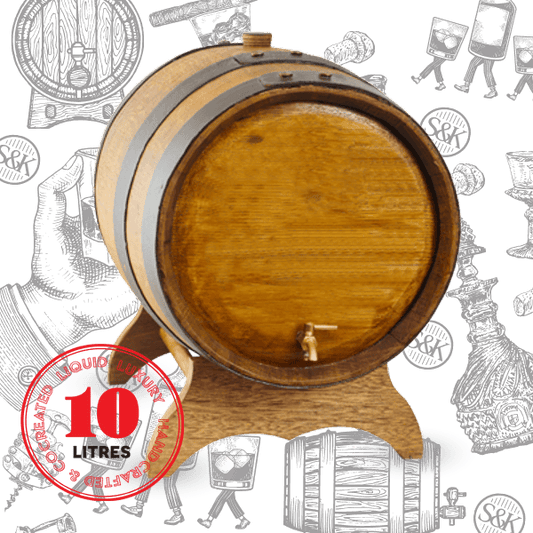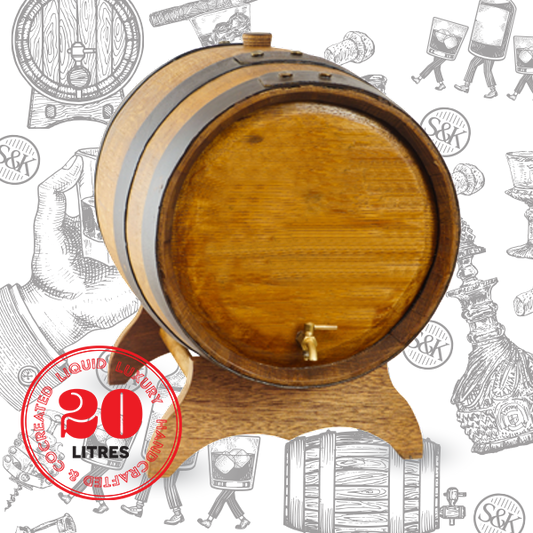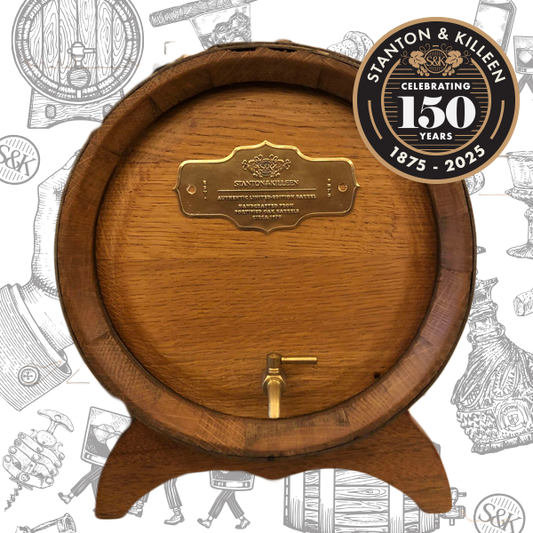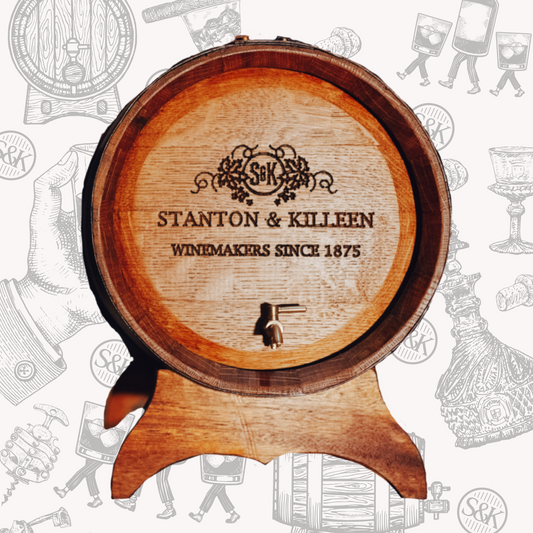

Life gets busy. Your barrel sits, time passes, and before you know it it's been twelve months since you last checked on it. Maybe longer. We hear from barrel owners in this situation regularly and the first thing we want you to know is that it's almost always fixable.
Here's exactly what to do, in order.
Don't panic, but do act quickly
The longer a barrel sits with significant ullage (the air gap above the wine), the more risk there is of oxidation damage or spoilage developing. But fortified wine has one enormous advantage over table wine in this situation: its high alcohol and sugar content make it significantly more resistant to the spoilage organisms that cause problems in neglected barrels.
That doesn't mean neglect is harmless. It just means you have more time than a red wine maker would. If it's been a few months, you're almost certainly fine. If it's been a year or more, you'll want to assess more carefully but we should be able to get your barrel back on track.
Step 1: Smell it
Before doing anything else, remove the bung and smell the barrel. Stand back slightly and let the aromas reach you. Don't shove your nose directly in.
What you want to smell: rich, warming, sweet, nutty, raisiny, caramel, dried fruit. Anything that smells like good, fortified wine.
What to watch for:
- A sharp, nail polish or acetone smell. This is volatile acidity (VA). Our post on what that nail polish smell means and what to do about it covers it in detail.
- A musty, mouldy or 'wet cardboard' smell. This could indicate a contamination issue.
- Flat, dull, or faintly vinegary with no lift. This is often a sign of low SO2. Read our post on why barrel wine tastes flat and how to fix it if this is what you're noticing.
- A very concentrated, spirit-forward smell with less fruit. This can just mean evaporation has happened, which is normal.
Step 2: Taste it
Pull a small sample with your wine thief and taste it. You're assessing:
- Does it still taste like fortified wine? Rich, sweet, warming?
- Is there a sharp, acidic bite beyond the normal spirit warmth?
- Does it taste dull, flat, or thinner than you remember?
- Is there anything off? Musty, strange, unpleasant?
If it tastes fundamentally like the wine you remember, just possibly a bit more concentrated or slightly different, you're in a recoverable position. If something tastes significantly wrong, send a sample for analysis before doing anything else.
Step 3: Check the ullage
Use your dipstick to measure how much wine is in the barrel. Some ullage is completely normal. Your barrel naturally loses wine to evaporation over time through the so-called angel's share. What you're looking for is whether the level has dropped significantly.
As a general guide: if your barrel is less than three-quarters full, you'll want to top it up. Significant ullage accelerates every problem that can develop in a barrel, so addressing it is the single highest-impact thing you can do. If you're not sure how much is too much, our guide to the angel's share and evaporation explains what's normal for each barrel size.
Step 4: Send a sample (or proceed with confidence)
This is the fork in the road.
If anything smelled or tasted off, if it's been more than 12 months since your last analysis, or if you're simply not sure what your wine needs, we recommend sending us a sample before going further. Our winemaking team will analyse it and give you a personalised plan: exact SO2 to add, which topping wine to use, and how much. You won't be guessing.
If your barrel smelled and tasted good, and you have a recent analysis to guide you, you can move straight to Step 5.
Step 5: Add SO2
If your barrel has been sitting untouched for months, there's a good chance your sulphur dioxide levels have dropped. SO2 is your barrel's protection against oxidation and spoilage. Adding a measured dose now costs almost nothing and can prevent problems from developing further.
Use the recommendation from your latest analysis. If you don't have one, this is exactly the moment to send a sample. Getting the SO2 right matters, and guessing isn't worth the risk. Our guide to SO2 and your home barrel explains how it works and why it matters.
Step 6: Top up
Once SO2 is sorted, top up with the right topping wine for your style. We'd strongly recommend using wine from the Liquid Luxury range rather than a bottle shop purchase. Our topping wines are specifically selected for home barrel use and matched to the style profiles that work with existing blends. Generic fortified from a bottle shop can introduce unpredictable flavours or incorrect sugar and alcohol levels. If you're unsure which wine to choose, our guide to choosing the right topping wine walks through the full range and helps you match the right wine to where your barrel is right now.
Pop the bung firmly back in. You're back on track.
Re-establishing your rhythm
The people who get the best results from home barrels are not the ones who know the most. They're the ones who build a simple rhythm and stick to it.
Here's what that looks like in practice:
- Every month: Pull a small taste. This is the best part of the whole journey. Watch your blend develop, notice the changes, enjoy the process.
- Every 6 to 12 months: Check your ullage and top up. How often depends on your barrel size, your environment, and how quickly you're drinking from it.
- Every 12 to 18 months: Send a sample for analysis. This gives you a full picture of where your barrel stands and precise guidance for SO2 and topping.
One more idea worth considering: once a year, bottle down a small amount of your blend and set it aside. Label it with the date. Do this every year and before long you'll have something genuinely special. Five vintages of your own barrel lined up on the table, opened for friends, tasted side by side. Watching your blend develop across years is one of the quiet rewards of this whole experience.
When to send a sample
If you're uncertain about anything you've smelled or tasted, if it's been more than 12 months since your last analysis, or if the smell was noticeably off, send us a sample before topping up. Our winemaking team will analyse it and give you a personalised plan: exact SO2 to add, which topping wine to use, and how much. You won't be guessing.
Frequently asked questions
My barrel has been sitting empty for months — is it ruined?
An empty or near-empty barrel is more serious than a full one with low levels, because dry oak can crack and allow air in permanently. If your barrel has been empty for more than a few weeks, fill it with water first to swell the staves back up, then assess from there. Contact us for specific advice.
How long can a barrel safely sit without being topped up?
This depends on the size of the barrel and the environment. Smaller barrels evaporate faster. As a rule of thumb, check and top up before your barrel reaches three-quarter full. For a 5L barrel in a warm environment that might be every 6 to 8 weeks; for a 20L barrel in a stable environment perhaps every 3 to 4 months.
Will the wine have gone bad if it smells a bit off?
Not necessarily. 'Off' can mean many things, and not all of them are serious. A flat or dull smell is often just low SO2, which is easy to fix. A nail polish smell is VA, which is manageable if caught early. Send us a sample and we'll tell you exactly where things stand before you do anything else.
Can I top up with any fortified wine from a bottle shop?
We'd strongly recommend topping up with wine from the Liquid Luxury range rather than a random bottle shop purchase. Our topping wines are specifically selected for home barrel use and matched to the style profiles — Muscat, Topaque, Tawny — that work with existing blends. Generic fortified from a bottle shop can introduce unpredictable flavours or incorrect sugar levels.