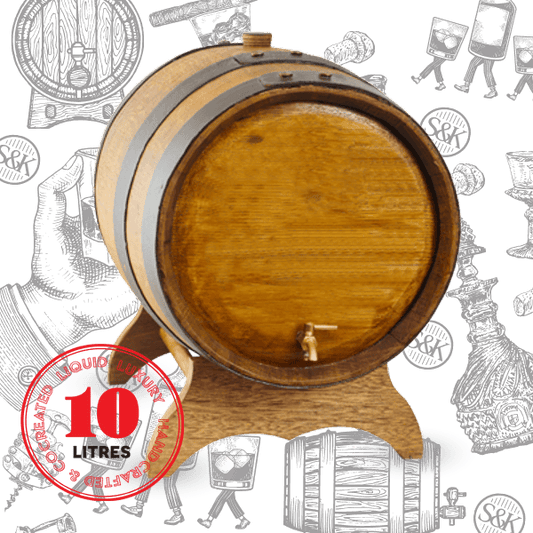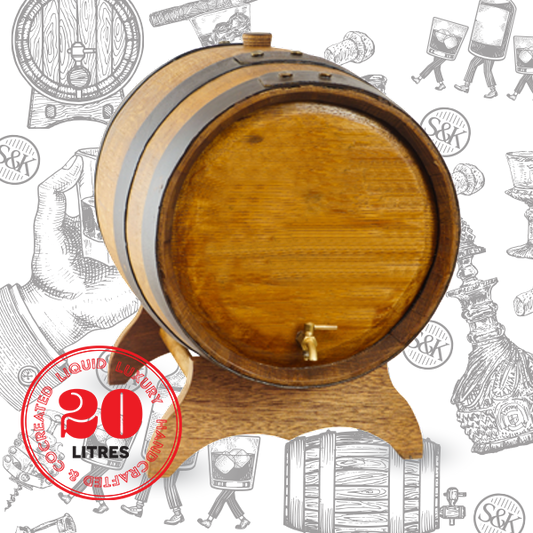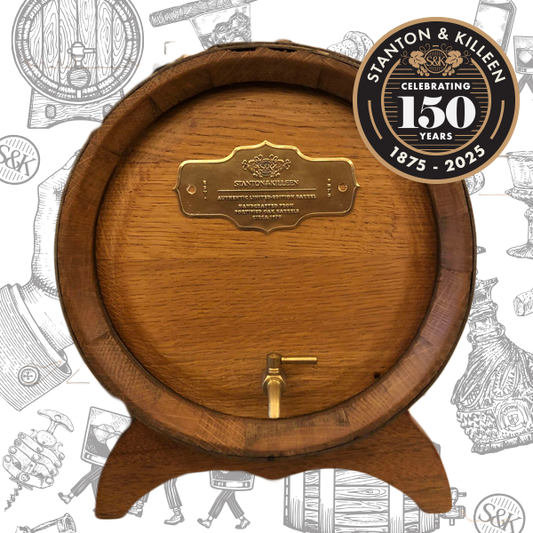

Winter is arguably the most important season to get right with your home barrel. Not because it's the most dangerous — summer heat is the more dramatic threat — but because the cooler months are when your fortified wine is quietly doing its best work, and a few simple checks now will set you up for a better blend by spring.
Here's what to look at, and why it matters.
Check your barrel level first
Pull the bung and take a proper look at the level. Winter in a cool Australian shed means slower evaporation than summer, but your barrel is still losing wine, just at a quieter pace. If the level has crept down significantly since you last checked, top up before you do anything else.
As a general rule: top up before your barrel reaches three-quarter full. For a 5L barrel, that means checking every six to eight weeks. For a 20L or 50L in a stable, cool environment, every three to four months is typically sufficient over winter.
Significant ullage, the air gap between the wine and the bung, is the root cause of most problems in a home barrel. Cold temperatures slow evaporation but they don't eliminate it, and a large air gap in a winter shed can still drive unwanted oxidation over time.
Related: What is ullage and how much is too much?
Smell it before you taste it
Remove the bung and let the aromas come to you before you take a sample. What you want is a rich, warming, sweet or nutty smell — the concentrated goodness of fortified wine doing its quiet work. What you're checking for:
- A nail polish or acetone character. This is volatile acidity (VA), covered in detail in our troubleshooting guide. Don't panic if it's faint — a small amount is manageable. If it's pronounced, act.
- A flat or muted smell with no lift. This is classic low SO2. The wine is still there but the life has gone out of it.
- A musty or cardboard-like note. This could potentially be a contamination issue. Get in touch with us.
- Deeply concentrated, spirit-forward with rich dried fruit. This is your barrel doing exactly what it should. Well done.
If the smell is clean and positive, take a small sample and taste it. Trust your palate. Does it taste like the fortified wine you've been patiently building? If yes, you're in good shape.
Check your SO2
If you haven't added sulphur since last summer or earlier, winter is a sensible time to do it. SO2 levels deplete gradually over time regardless of temperature, and going into the warmer months with adequate protection already in place is far better than scrambling when temperatures start climbing.
If you have a record of your last SO2 addition and the level we recommended, use that as your guide. If it's been more than 12 months since your last barrel analysis, this is an ideal time to send us a sample. Our winemaking team will measure your current SO2 levels and give you a precise addition recommendation — no guesswork involved.
Related: What is SO2 and does your barrel actually need it?
Think about where your barrel is sitting
Winter is a good moment to reassess your barrel's position if you haven't already.
Consistent, moderate cold is not a problem for your barrel, in fact, it's part of what builds complexity over time. At Stanton & Killeen, our barrels experience proper Rutherglen winters, and that temperature variation contributes meaningfully to the depth and character of the wine. What you want to avoid is:
-
Outdoor exposure or extreme cold below freezing. Fortified wine with its high alcohol won't freeze easily, but sustained sub-zero temperatures can stress the timber and affect the staves over time. A shed or garage that gets cold is fine. Outside in a frost-prone spot is less ideal.
-
Direct contact with concrete floors in very cold conditions. Concrete draws cold upward into the barrel. A simple wooden pallet or stand keeps the barrel off the floor and maintains a more stable temperature.
- Exposure to strong draughts. Moving air accelerates evaporation even in cool conditions.
Do a quick exterior inspection
While you have the barrel in front of you, take a minute to look it over:
- Are the hoops sitting flush and even? A shifted hoop can cause staves to separate slightly and create a slow leak you might not notice until it's lost some wine.
- Any sign of seepage or a dark wet patch on the outside? Even a slow weep from a stave seam is worth attending to before it becomes a bigger issue over time.
- Is the bung seated firmly? A loose bung lets in more oxygen than you want and can allow evaporation to accelerate.
Related: How to fix a leaking barrel
The winter advantage — slow and steady
Here's the thing worth keeping in mind as you run through these checks: winter is genuinely good for your fortified wine. The cooler temperatures slow everything down. Evaporation slows. Chemical reactions slow. The wine has time to integrate and settle without the aggressive push that summer heat applies.
Many experienced barrel owners notice that their best tasting sessions happen in late winter and early spring after a few months of quiet, undisturbed development at cool temperature. The blend often shows more elegance and complexity than it did in summer, when the alcohol can feel more aggressive and the barrel characters more assertive.
So, check on your barrel, run through the list above, make any adjustments needed and then leave it alone to do its work. That's the real art of a home barrel.
Your winter barrel checklist
- Check and record the barrel level. Top up if needed.
- Smell before tasting. Note anything unusual.
- Taste a small sample. Compare to your last tasting notes if you have them.
- Add SO2 if it's been more than 12 months since your last addition.
- Assess barrel position — off the floor, out of draughts, away from freezing conditions.
- Check hoops, bung, and exterior for any signs of a slow leak or movement.
- Send a sample for analysis if it's been over a year, or if anything tasted or smelled off.
Need a hand with any of this? Our winemaking team is available Monday to Friday. You can reach us at wine@stantonandkilleen.com.au or call (02) 6032 9457. Barrel Club members can also book a Barrel Check-in consultation for a one-hour winemaker session tailored to your specific barrel.