
Yes, absolutely. Despite the reputation fortified wine has as a slow, fireside winter sipper, many styles are genuinely delicious served well chilled. Serving Rutherglen Muscat or Topaque cold is one of the best ways to experience them on a warm afternoon, and it is how plenty of people in Rutherglen drink them at home all summer long.
Here is what to know about serving temperature for each style.
Rutherglen Muscat — serve it chilled
This might surprise people who think of Muscat as a heavy winter wine, but chilling Rutherglen Muscat, especially the younger Classic tier, brings out the fresh fruit and floral aromatics beautifully. The richness and sweetness are balanced by the cold, making it feel refreshing rather than cloying.
Serve at: 8 to 12°C. Straight from the fridge, or with 20 minutes to take the edge off the chill.
Older, more complex Muscats at the Grand or Rare tier are worth serving a touch warmer, around 12 to 14°C, to let the aged complexity open up fully. But don't be afraid to experiment. If you want to understand the full picture of this style, our guide to Rutherglen Muscat covers the classification system and flavour profiles in detail.
Rutherglen Topaque — also excellent chilled
Topaque's naturally lighter, more elegant character, the cold tea notes, the citrus lift, the finer texture compared to Muscat, is actually enhanced by chilling. It can feel almost like a sophisticated dessert wine at fridge temperature, with real freshness and a clean finish.
Serve at: 8 to 12°C. Same as Classic Muscat.
Topaque at warmer temperatures can feel slightly one-dimensional. The cold brings clarity to its more delicate flavour profile. Read more in our Muscat vs Topaque guide if you'd like a full comparison of the two styles.
Tawny — room temperature or lightly chilled
Tawny is the most traditional style to serve at a cool room temperature rather than fridge cold. The nutty, dried fruit and spice notes that define a good Tawny come through more fully at 14 to 16°C. Serving it very cold can mute the characters that make it interesting.
Serve at: 12 to 16°C. Cool room temperature is ideal. In the middle of an Australian summer, lightly chilled at 12°C is perfectly fine.
Avoid serving Tawny straight from a hot room or a warm bench. It will taste flat and the spirit will feel aggressive. A short stint in the fridge before pouring makes a noticeable difference.
Vintage Fortified — treat it like a red wine
Vintage Fortified is a different style altogether. Made from a single vintage and bottled young to develop in the bottle over many years, it has more in common with a structured red wine than with a barrel aged Muscat or Tawny.
Serve at: 16 to 18°C. Light room temperature, similar to a medium-bodied red wine.
Serving Vintage Fortified too cold will close it up and suppress the primary fruit that makes it worth drinking. If anything, give it a few minutes to breathe after opening. For more on how this style differs from Tawny, read our Tawny vs Vintage Fortified guide.
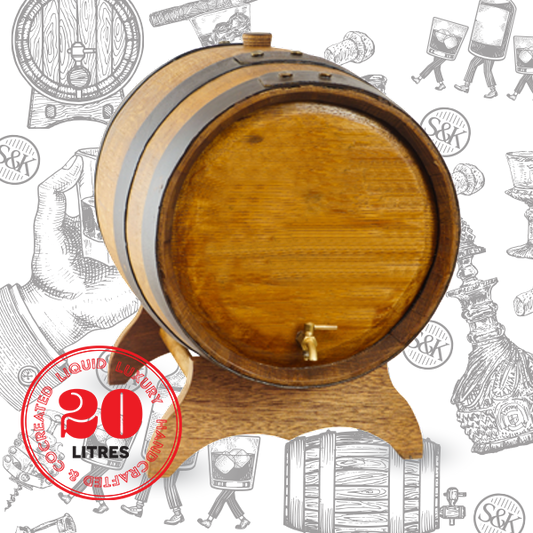
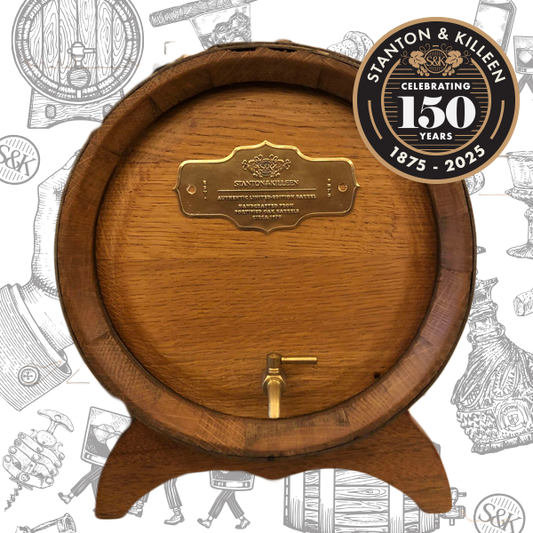
Wine from your home barrel — experiment freely
One of the great pleasures of a home barrel is experimenting with your own wine at different temperatures and in different contexts. Many barrel owners find their blend shifts considerably depending on how it is served. Things they didn't notice at room temperature become apparent when chilled, and vice versa.
As a starting point, try your barrel wine at 10 to 12°C and again at room temperature. Note what you prefer and in which context. The answer will tell you something useful about the character of your blend, and it might just change how you serve it from that point on.
Serving tips that make a real difference
• Use a small wine glass or a tulip-shaped dessert wine glass rather than a standard wine glass. The smaller volume concentrates the aroma and the shape captures it.
• Pour a smaller serve than you would for table wine. 60 to 90ml is ideal. Fortified wine is richer and more concentrated and a smaller pour lets you enjoy it properly without overwhelming the palate.
• If serving chilled, keep the bottle in an ice bucket rather than putting it back in the fridge between pours. It will stay at serving temperature without getting too cold.
• Open the bottle or draw from your barrel at least 15 minutes before serving. Even fortified wine benefits from a little air.
For recipe ideas that make the most of each style at different temperatures, take a look at our winter warmers guide, including cocktails, hot drinks and food pairings across Muscat, Topaque and Tawny.
Frequently asked questions
Can you serve fortified wine over ice?
For casual summer drinking, yes. Particularly Classic Muscat or Topaque, or a Muscat-based cocktail. Over ice is not traditional and some purists may object, but it is genuinely refreshing and a great way to introduce fortified wine to people who have never tried it.
Does chilling damage or change fortified wine?
No. Chilling does not damage fortified wine the way it can affect some delicate white wines. Once brought back to a warmer temperature, the wine will taste the same as before. Repeated cycles of chilling and warming over weeks are perfectly fine.
What is the best glass for fortified wine?
A small tulip-shaped dessert wine glass with a capacity of 75 to 150ml is ideal. It concentrates the aromatics and the smaller pour stays at the right temperature for longer. A port glass or small sherry copita also works beautifully. Avoid large Burgundy-style glasses as the aroma disperses and the pour looks lost.
Can you use fortified wine in cocktails?
Absolutely. Rutherglen Muscat makes a particularly exceptional cocktail base. It works brilliantly over ice with soda water and a squeeze of orange, as a substitute for sweet vermouth in a Negroni, or stirred with whisky over ice. Tawny is exceptional in an Old Fashioned in place of simple syrup. We have a full cocktail and recipe guide on the blog with nine ideas across all three styles.
Should barrel wine be served at the same temperature as bottled wine?
Generally yes, the same guidelines apply. Muscat and Topaque from your barrel at 8 to 12°C, Tawny-style blends at 12 to 16°C. The main difference with barrel wine is that drawing it straight from the barrel means it will often be at ambient temperature, so a short time in the fridge before serving is worth doing if you want to get the best out of it.
Questions about your barrel wine or the Stanton & Killeen range? Our team is available Monday to Friday at wine@stantonandkilleen.com.au or (02) 6032 9457.