
You've probably heard of Sherry. You may never have heard of Apera. They are essentially the same style of wine — one made in Spain, one made in Australia — separated only by geography, a trade agreement, and a name change that most people are still catching up with.
Apera is one of Australia's most underappreciated fortified wines. It's also one of the most versatile and food-friendly things you can open before, during or after a meal. Here's what it is, how it's made, what the different styles taste like, and why it deserves considerably more attention than it currently gets.
Where the name came from
Until 2011, Australian producers called their Sherry-style wines exactly that: Sherry. But under the Australia-European Community Agreement on Trade in Wine, the term Sherry was reserved exclusively for wines from the Jerez region of Spain, in the same way that Port was reserved for Portugal and Champagne for France.
Beginning in 2011, Australia decided to change the name of Sherry-inspired wines to Apera — a play on the word aperitif, which is a lovely reminder of how well these wines work at the start of a meal. So, if you've drunk Australian Sherry in years gone by, you've already had Apera. The wine didn't change. Only the name on the label did.
How Apera is made
Apera is made primarily from white grape varieties, most commonly Palomino, which is the same grape used to make Fino and Manzanilla Sherry in Jerez. The grapes are fermented to dryness, then fortified with grape spirit to preserve the wine and raise its alcohol.
What happens next depends on the style being made. Some Apera is aged under a layer of yeast called flor, which protects the wine from oxidation and produces the pale, dry, saline character of Fino-style wines. Others are aged oxidatively in small barrels, developing the richer, darker, nuttier characters of an Oloroso or Amontillado-style wine. The level of sweetness is adjusted by blending with sweeter material before bottling.
Unlike Muscat, Topaque and Tawny which are all made from red or white grapes with natural sugar preserved through fortification, Apera starts as a fully dry wine and has sweetness added if the style requires it.
The four styles of Apera
Dry Apera
The lightest and most saline style. Pale in colour, crisp in texture, with almond, citrus and sometimes a faintly briny character. This is the style that surprises people most because it bears almost no resemblance to what most Australians think of when they hear the word fortified wine. It is not sweet. It is not heavy. Served well chilled in a small glass it works beautifully as an aperitif, alongside seafood, olives, almonds and hard cheeses.
Medium Dry Apera
A step richer and slightly amber in colour. More honeyed and nutty than Dry Apera, with a touch of sweetness that makes it more approachable for people who find the driest style challenging. This is the most food-flexible of the four styles and works from the appetiser course right through to a cheese board.
Medium Sweet Apera
Amber to dark amber in colour, with dried fruit, toffee and walnut characters. The sweetness is evident but balanced by enough acidity to keep it from feeling heavy. Works well with richer food, pâté, hard cheeses, fruit-based desserts and Christmas cake.
Cream Apera
The richest and sweetest style. Dark, full-bodied and generously sweet, with caramel, dried fruit and nut characters. The closest of the four styles to the sweeter end of the Muscat or Topaque range in terms of sweetness and richness, though still distinct in flavour profile.
Liquid Luxury by Stanton & Killeen Apera
Our Liquid Luxury Dry Apera is made in the Fino style, beginning its life as a neutral dry white aged under flor yeast in the traditional manner. That flor ageing imparts a fresh, lifted aromaticity, sea spray, cashew and a faint aldehydic complexity that is entirely its own thing. Further maturation is oxidative, which builds the nutty depth and richness that sits behind the wine's crisp, dry exterior.
The result is bright pale gold in colour with a palate that is dry, vibrant and mouthwatering, saline characters, grilled nut, and a long clean finish that lingers well past the last sip. Best served well chilled, over ice, or as a cocktail base alongside jamón, Manchego and Sicilian green olives.
🍷 2L — $42 | 5L — $104 PURCHASE HERE
How to serve Apera
This is where Apera differs most significantly from Muscat, Topaque and Tawny, and where most people get it wrong.
Dry and Medium Dry Apera should be served well chilled, at 6 to 10°C, in a small tulip-shaped glass. Think of it the way you would a crisp white wine before a meal. It is genuinely refreshing served cold and pairs naturally with savoury food rather than sweet.
Medium Sweet and Cream Apera can be served slightly warmer, around 10 to 14°C. These styles are closer to the traditional idea of a fortified wine after dinner, though they also work well with savoury food.
Once opened, Apera is more sensitive than Muscat or Tawny. Dry styles particularly should be consumed within a week or two of opening and kept refrigerated. The delicate flor character of a dry Apera fades quickly once exposed to air.
What to eat with Apera
Dry and Medium Dry Apera:
Olives, almonds, jamón and other cured meats, oysters, prawns, grilled fish, hard aged cheese, salty snacks of almost any kind. Dry Apera and a bowl of salted almonds is one of the simplest and most satisfying things you can put on a table before dinner.
Medium Sweet Apera:
Pâté, soft cheeses, mushroom dishes, chicken liver terrine, roasted nuts, mild fruit-based desserts.
Cream Apera:
Rich desserts, Christmas cake, fruit mince pies, blue cheese, chocolate. Cream Apera poured over vanilla ice cream is an underrated combination.
Why Apera deserves more attention
Apera has suffered from an identity crisis since the name change. People who knew Australian Sherry have sometimes lost track of where to find it. People who don't know the term Apera haven't gone looking for it. The result is that a genuinely excellent style of wine sits largely undiscovered on bottle shop shelves while Muscat and Tawny get all the attention.
That's good news for the people who do find it, because quality Apera from a serious producer is exceptional value and extraordinarily versatile. It fills a role on the table that no other Australian wine quite manages: a complex, food-friendly, low-sugar fortified wine that works from the first olive through to the last piece of cheese.
Frequently asked questions
Is Apera the same as Sherry?
It's the same style of wine made by the same method. The difference is that Sherry can only legally be called Sherry if it comes from the Jerez region of Spain. Australian Apera is made in the Sherry style and is governed by Australian wine law rather than Spanish appellation rules.
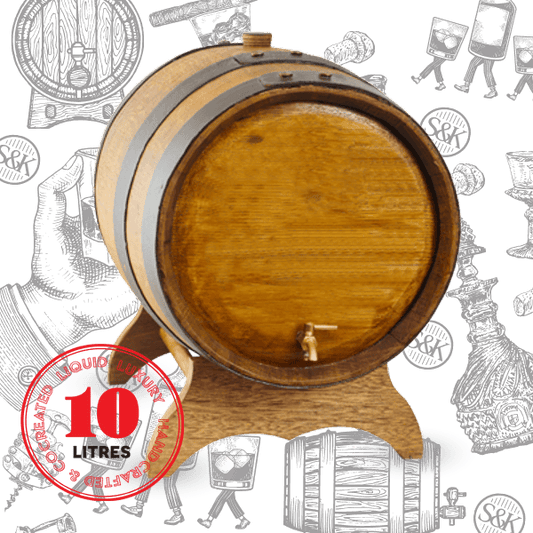
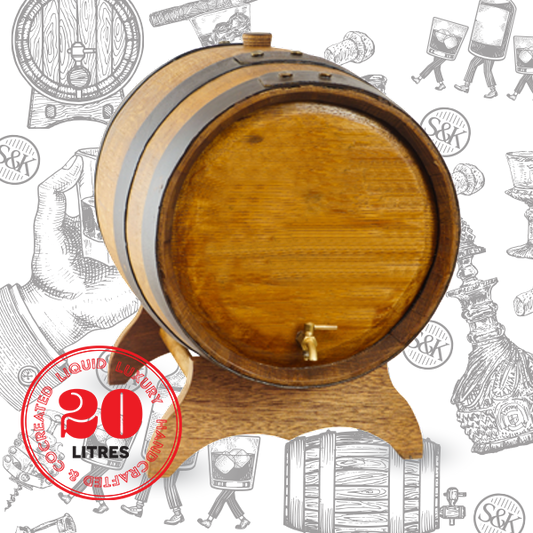
Can I put Apera in my home barrel?
Yes and no. Adding Apera to an existing Muscat, Topaque or Tawny barrel would work against the character of your blend — Apera is a dry fortified made by a completely different method and the two styles don't sit comfortably together.
That said, running a dedicated Apera-style barrel is absolutely something you can do. It would need to be a barrel used exclusively for that purpose. The Liquid Luxury White Fortified is worth considering as a blending addition to an Apera-style barrel if you want to adjust the sweetness or add a lighter, more aromatic character. Run a bench trial first and see what it does.
Can I use White Fortified in my barrel?
Yes, and it works particularly well in Topaque and Apera-style barrels. The Liquid Luxury White Fortified has been made with a slightly higher sugar level than a traditional dry style, giving it a useful role as a blending tool — introducing lift and a drier, more aromatic character to an existing blend. It would be less effective in a Muscat barrel where the richness of the Muscat tends to overpower it. As always, run a bench trial before adding anything to your barrel.
Related: Beyond Muscat and Tawny — the other fortified wine styles worth knowing
Related: Can you chill fortified wine? A guide to serving temperatures by style
Related: Why fortified wine doesn't go off and how long it actually lasts