

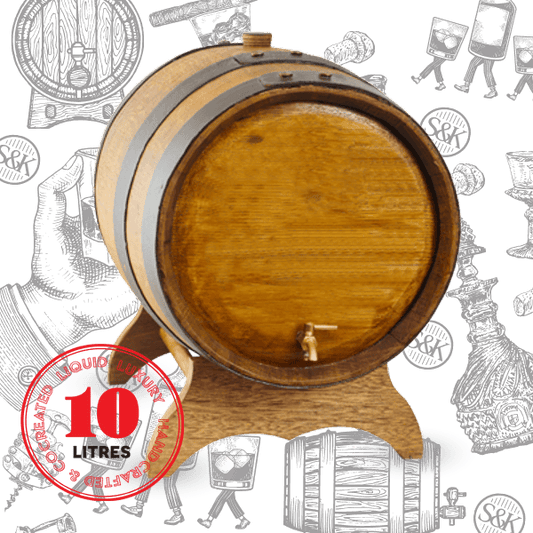
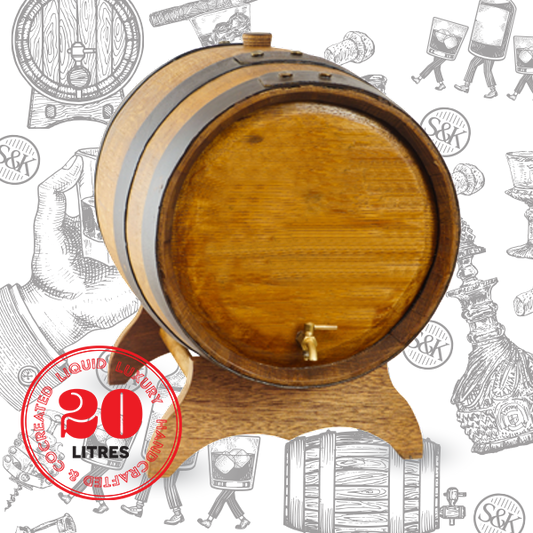
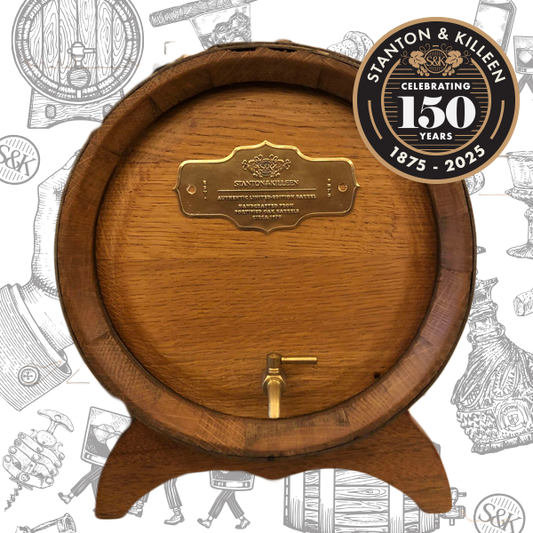
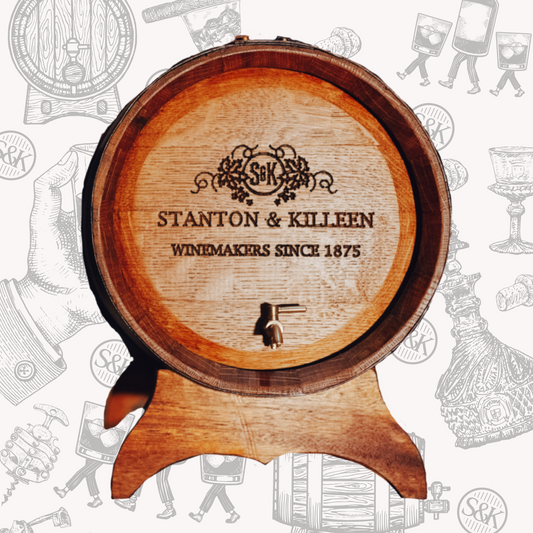
If you own a home barrel or follow Rutherglen wine closely, Muscat, Topaque and Tawny are probably very familiar. They're the three styles that define the region, that dominate the cellar door tasting lineup and that most barrel owners spend years patiently developing at home.
But the world of fortified wine is considerably broader than these three styles. It spans continents, centuries and a remarkable range of flavours from bone dry and saline to lusciously sweet and concentrated. Understanding the broader landscape makes you a more informed drinker, a better host, and someone who can pick up an unfamiliar bottle and know exactly what to do with it.
Here's a guide to what else is out there.
The Australian styles you may not know
Apera
Apera is Australia's Sherry. Until 2011, it was called Sherry on the label, but under the same Australia-European Community Agreement on Trade in Wine that renamed Vintage Port to Vintage Fortified and Tokay to Topaque, Australian producers had to stop using the term Sherry. The name Apera was chosen as a nod to the word aperitif, which reflects one of its most natural uses.
Apera is made primarily from white grape varieties, most commonly Palomino, and can range from completely dry and pale through to rich, sweet and dark. The four main styles are Dry, Medium Dry, Medium Sweet and Cream. Dry Apera served well chilled is one of the most food-friendly wines you can pour, working beautifully with olives, almonds, jamón, seafood and hard cheeses. Sweeter styles move toward the dessert wine end of the spectrum.
White Fortified (Previously White Port)
White Fortified is lighter, drier and more aromatic than Muscat or Topaque. Made from a blend of white varieties including Muscadelle, Chardonnay and Viognier, it has honeysuckle, bottlebrush and walnut characters and a freshness that makes it more versatile at the table than the richer styles.
The Liquid Luxury White Fortified has been made with a slightly higher sugar level than a traditional dry style, which gives it a specific and useful role as a blending tool. If your barrel is developing in a direction that feels too rich or sweet, a careful addition of White Fortified can introduce lift, delicacy and a drier character without fighting against what's already there. It works particularly well blended with Topaque, and is worth considering for an Apera-style barrel where you want to adjust the sweetness or texture of the blend.
Would you add it to a Muscat barrel? The honest answer is probably not as a first choice, because the richness and sugar of Muscat will typically overpower the more delicate White Fortified character. But as with everything in barrel ownership, the answer is always to run a bench trial first. Try it in a glass, taste it, adjust the ratio, taste again. It's your barrel. If you like what it does, it has a purpose.
Vintage Fortified
Australia's Vintage Port in all but name. Made from a single exceptional vintage year, fortified to lock in primary fruit and designed to develop in the bottle rather than in barrel over many decades.
The great international styles
Sherry — Jerez, Spain
The original, and arguably still the benchmark for dry fortified wine anywhere in the world. Made in the Jerez region of southern Spain from Palomino grapes using a fractional blending system called the solera, Sherry spans a remarkable range from the bone dry, saline and almost weightless Fino and Manzanilla through to the rich, oxidative Oloroso and the extraordinarily sweet Pedro Ximénez.
Fino and Manzanilla are among the most food-friendly wines made anywhere. Served well chilled alongside seafood, jamón and olives, they are a revelation to people who only know fortified wine as something rich and sweet. Amontillado sits between Fino and Oloroso in style, amber and nutty with a dry finish. Oloroso is darker, richer and more savoury. Pedro Ximénez, made from the grape of the same name, is extraordinarily sweet, dark and viscous, with raisin, coffee and dark chocolate characters that pair naturally with anything rich and chocolate-based.
Port — Douro Valley, Portugal
Portugal's most famous wine and the original that gave rise to Australian Tawny and Vintage Fortified. Made from red varieties including Touriga Nacional and Tinta Roriz in the steep schist vineyards of the Douro Valley, Port comes in a range of styles.
Ruby Port is young, fresh and fruit forward. Tawny Port has been aged in small barrels for many years, developing the same nutty, dried fruit and spice characters as Australian Tawny. Late Bottled Vintage (LBV) is a single vintage wine that has spent longer in barrel before bottling. Vintage Port is the prestige style, aged for decades in the bottle.
If you drink Australian Tawny and Australian Vintage Fortified, you are essentially drinking the Rutherglen expression of Tawny Port and Vintage Port. The grape varieties, the winemaking method and the ageing approach are all closely related. The differences come from climate, soil and the specific house styles of individual producers.
Madeira — the island of Madeira, Portugal
Madeira is one of the most fascinating and misunderstood fortified wines in the world. Made on a small Portuguese island in the Atlantic Ocean, it is produced from several grape varieties and comes in four main styles named after those grapes, running from dry to sweet: Sercial, Verdelho, Bual and Malmsey.
Sercial produces the driest wines, characterised by piercing acidity, pale colour, and citrus and green nut notes, best served well chilled as an aperitif. Verdelho is medium dry, slightly richer and smokier, and arguably the most versatile style at the table. Bual delivers medium-sweet richness with caramel, raisin and roasted nut character. Malmsey is the richest and sweetest expression, with concentrated fig, coffee, chocolate and butterscotch character.
What makes Madeira genuinely unique is its ageing process. The wine is deliberately exposed to heat during production, either through the estufagem method where it is heated in tanks, or the canteiro method where it ages in barrels in warm attic lodges. This exposure to heat and oxidation creates Madeira's characteristic flavour profile and its extraordinary longevity. A bottle of Madeira from the early nineteenth century is not only still drinkable but is often described as one of the greatest wine experiences available anywhere in the world.
What connects all of these styles
Every fortified wine in this guide shares the same fundamental method: the addition of grape spirit during or after fermentation to arrest fermentation, preserve natural sugar and raise the alcohol to a level where the wine is protected from spoilage. Beyond that, the styles diverge enormously in grape variety, ageing method, sweetness level and character.
What Rutherglen contributes to this global story is genuinely unique. Muscat and Topaque are styles that exist nowhere else in the world at the same level of quality and complexity. The climate, the old vine stocks and the family winemaking traditions of Rutherglen combine to produce something that has no real equivalent anywhere else. Understanding the broader fortified wine world helps put that into perspective and makes it easier to appreciate just how remarkable what is made in Rutherglen actually is.
Related: What is Apera? Australia's answer to Sherry explained
Related: Muscat vs Topaque — what's the difference?
Related: Tawny vs Vintage Fortified — what's the difference?
Related: Why you should only ever fill your home barrel with fortified wine
1 comment
As a Muscat barrel owner (2 Gold Medals) and a Vintage fortified consumer, I am next interested in Madeira. Some years ago, It is not big on the market but is delightful to the taste. I did try 3 types but not the really dry type.