
Both come in small glasses. Both are sweet, rich and fortified with grape spirit. Both are made by barrel ageing over many years. And if you've ever stood in front of a Rutherglen cellar door tasting lineup wondering what actually separates the two, you're not alone.
Muscat and Tawny are very different wines. They start from different grapes, develop different flavour profiles over their time in barrel, and suit different occasions, different foods and different barrel blending approaches. Here's how to tell them apart.
Where they come from
The difference between Muscat and Tawny starts with the grape, and the grape makes all the difference.
Rutherglen Muscat is made from Brown Muscat, a dark-skinned variety known elsewhere as Muscat Blanc à Petits Grains. It's one of the oldest grape varieties in the world and in Rutherglen it produces a wine of extraordinary richness and aromatic power. The grapes are harvested at high sugar concentration, partially fermented on skins, then fortified with grape spirit to lock in both the sweetness and the colour.
Tawny is made from red varieties, primarily Shiraz alongside Portuguese varieties such as Touriga Nacional and Tinta Roriz. Like Muscat, it's fortified during fermentation to preserve natural sugar, then aged in small oak barrels over many years. But where Muscat's deep colour and intense aroma come from the grape itself, Tawny's amber colour is something that develops slowly during barrel ageing as the original deep red wine oxidises and transforms over time.
How they taste
This is where the two styles genuinely diverge, and where most people find their preference quickly.
Muscat is the richer, more generous and more aromatic of the two. The flavour profile is built around the grape itself: raisins, dried fig, rose petal, orange blossom, Christmas pudding, dark toffee, chocolate and coffee at older ages. There's a sweetness and a weight to Muscat that fills the whole palate. The aroma is distinctive and powerful, something you can smell before you've even raised the glass to your lips. At the Classic level it has real vibrancy and freshness. At Grand and Rare it becomes something almost impossibly layered and concentrated.
Tawny is more savoury, more structured and more restrained. The flavour comes primarily from the oak and oxidative ageing process rather than the grape: roasted walnuts, dried fig, caramel, leather, cloves, spice and a characteristic rancio nuttiness that develops with age. It's still sweet, but there's a dryness relative to Muscat that gives Tawny a different kind of appeal. Where Muscat announces itself loudly and immediately, Tawny rewards slower attention.
A useful way to think about it: Muscat is the wine equivalent of a rich dessert. Tawny is more like a cheese course. Both are at the end of the meal, both are indulgent, but they satisfy different things.
The colour difference
Pour them side by side and you'll see the difference immediately. Muscat is deep amber to mahogany, sometimes appearing almost black in the glass at older ages. The colour comes from the grape skins and intensifies with every year in barrel.
Tawny starts life as a deep red wine and loses its colour gradually through oxidative barrel ageing. At younger ages it can still have a reddish tinge. With more age it becomes a warm amber brown. At its most aged expressions it can appear similar in colour to an older Muscat, though the aroma and flavour will always tell you exactly which one you're holding.
Which one suits your palate?
If you love sweetness, richness, aromatics and fruit intensity, Muscat is your wine. It's the more immediately seductive of the two and tends to be the style people reach for first when they discover Rutherglen fortified wine.
If you prefer something more savoury, more structured and less overtly sweet, Tawny is likely your preference. It suits people who enjoy whisky, aged spirits and wines with genuine complexity that builds slowly rather than hits all at once. It's also a more versatile match at the table, working equally well with cheese, nuts, dried fruit, chocolate and savoury dishes.
Some people love both for different moments. A glass of Muscat after a rich dessert. A glass of Tawny with a cheese board an hour later. There's no rule that says you have to choose.
Which one works best in a home barrel?
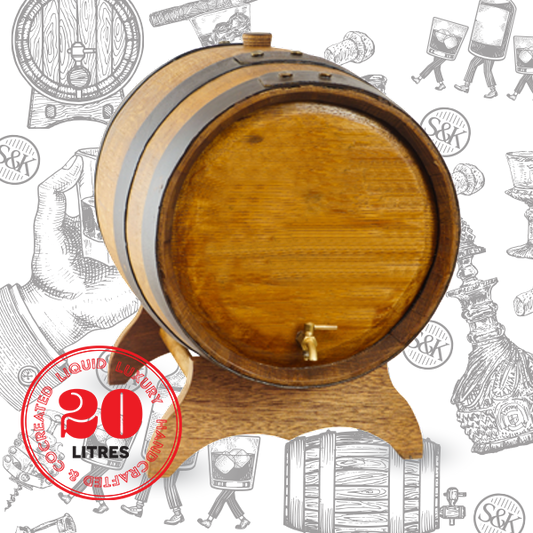
Both Muscat and Tawny develop beautifully in a home barrel, but they reward patience in different ways.
Muscat is the more forgiving starting point. Its generous fruit character is resilient and develops well at every stage of barrel life. The aromatics build steadily, the sweetness concentrates, and even a relatively young barrel blend of Muscat can be a genuinely impressive wine. For new barrel owners, Muscat tends to deliver satisfying results more quickly.
Tawny takes longer to show its best. The defining characters of a great Tawny, the walnut and rancio complexity, the savoury spice, the leather and dried fruit depth, are characters that only come with real age in wood. A Tawny barrel in its early years can feel a little one-dimensional. Given five, ten or more years, the same barrel can become extraordinary. Tawny is the style for barrel owners who think in decades.
Can you run both? Absolutely. Some barrel owners keep a Muscat barrel and a Tawny barrel side by side and blend between them in small amounts. A splash of Tawny can add structure and savouriness to a Muscat-heavy blend. A touch of Muscat can add richness and fruit weight to a Tawny that feels a little austere. Running bench trials across the two is one of the most interesting things an experienced barrel owner can do.
Related: How to choose the right topping wine for your barrel
Related: How to do a bench trial at home — the complete guide
How to serve them
Both Muscat and Tawny are at their best served slightly chilled rather than at room temperature, particularly in Australian conditions where room temperature in summer can be 25°C or above. A serving temperature of 12 to 14°C brings out the best in both styles.
Muscat pairs beautifully with anything chocolate or coffee-based, rich fruit desserts, blue cheese, charcuterie, and foie gras. At Classic level it also works wonderfully as a dessert on its own.
Tawny's savoury character makes it one of the most food-friendly wines at the table. Aged hard cheeses, walnuts, dried figs, Christmas cake, spiced desserts and slow-cooked meat dishes all work exceptionally well. A small glass of Tawny alongside a slow-braised beef ragu or a lamb shoulder is one of those food and wine combinations that seems like it shouldn't work and then completely wins you over.
Related: Winter warmers — cocktails and recipes with Muscat, Topaque and Tawny
Related: Can you chill fortified wine? A guide to serving temperatures
The short version
Muscat: made from the Brown Muscat grape, deeply aromatic, rich and sweet, with raisins, rose petal, chocolate and dried fruit. The more immediately seductive of the two.
Tawny: made from Shiraz and Portuguese varieties, aged to develop savoury complexity, with walnuts, caramel, leather and spice. More structured and restrained, and extraordinarily food-friendly.
Both are barrel aged for many years at Stanton & Killeen. Both are worth knowing well. And both are, in the right hands, extraordinary things to have developing quietly in a barrel of your own.
Shop Classic Muscat and Tawny at liquidlux.com.au
Frequently asked questions
Is Muscat sweeter than Tawny?
Generally, yes. Muscat tends to have higher residual sugar and a more overtly sweet character on the palate. Tawny is also sweet but feels drier by comparison because its savoury oak and spice characters balance the sweetness differently. The difference is most noticeable in younger expressions. At very old ages both wines can feel more balanced and less overtly sweet.
Can I cook with both Muscat and Tawny?
Absolutely, and both are excellent in the kitchen. Muscat works beautifully in desserts, sauces and anything with chocolate, fruit or caramel. Tawny is exceptional in savoury cooking, particularly slow braises, ragus and anything with red meat. We've put together a full winter recipe guide using both styles if you'd like some inspiration.
Which should I choose for a home barrel, Muscat or Tawny?
If this is your first barrel, Muscat is the more forgiving and immediately rewarding starting point. If you have experience with barrel ownership and want a longer-term project with more savoury complexity, Tawny is an exceptional choice. Both are worth doing eventually if you have the space and appetite for it.
Are there different quality levels for Tawny the way there are for Muscat?
The Rutherglen classification system of Rutherglen, Classic, Grand and Rare applies specifically to Muscat and Topaque. Tawny uses age indications instead, typically expressed in years on the label. Both approaches reflect increasing age and complexity as you move up through the tiers.
What is the difference between Tawny and Vintage Fortified?
Tawny is a barrel aged style that is ready to drink on release and does not improve significantly in the bottle. Vintage Fortified is bottled young from a single vintage and develops in the bottle over many years, much like Vintage Port. They are very different wines made in very different ways.
Related: Tawny vs Vintage Fortified — what's the difference?
Related: Muscat vs Topaque — what's the difference and which should you choose?